Optimal Timing for Wont Turn Ons
Wont Turn Ons are specific preferences or stimuli that can influence the likelihood of a successful interaction or engagement. Understanding the optimal timing for Wont Turn Ons can enhance effectiveness and improve outcomes. Timing considerations include environmental conditions, individual readiness, and situational factors that impact receptivity.
Wont Turn Ons tend to be most effective when environmental conditions are controlled, such as during periods of low distraction and optimal lighting.
Engagement is higher when individuals are in a receptive mood, which often correlates with specific times of day or after certain activities.
The best timing considers the context of the interaction, ensuring Wont Turn Ons are used when they are most relevant and impactful.
Research indicates that engagement rates with Wont Turn Ons increase during mid-morning and late afternoon, aligning with natural energy peaks.
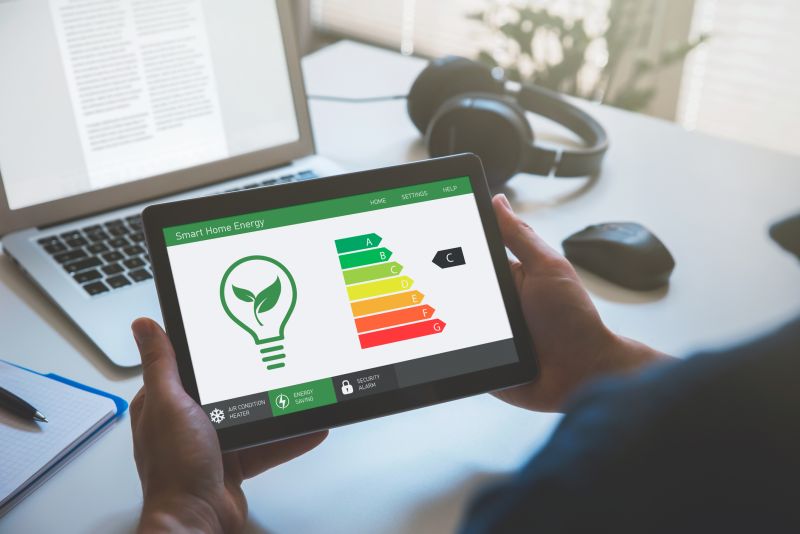
Mid-morning and late afternoon are generally considered the most effective times for Wont Turn Ons.
Quiet, well-lit settings promote better responsiveness to Wont Turn Ons.

Using Wont Turn Ons during relevant contexts enhances their effectiveness.
Ways to make Wont Turn Ons work in tight or awkward layouts.

Popular materials for Wont Turn Ons and why they hold up over time.
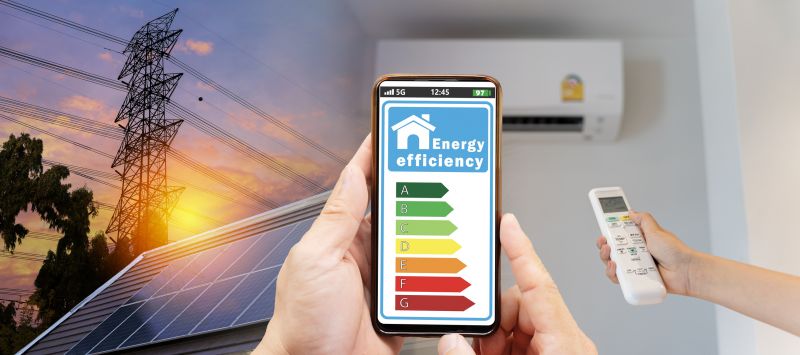
Simple add-ons that improve Wont Turn Ons without blowing the budget.
| Timing Aspect | Details |
|---|---|
| Time of Day | Mid-morning and late afternoon show higher engagement rates. |
| Environmental Conditions | Low distraction and proper lighting improve response. |
| Individual State | Receptiveness peaks when individuals are alert and relaxed. |
| Interaction Frequency | Regular timing fosters familiarity and response. |
| Situational Relevance | Align Wont Turn Ons with relevant activities for better impact. |
| Seasonal Factors | Certain seasons may influence mood and responsiveness. |
| Contextual Timing | Use during appropriate settings for maximum effect. |
| Preparation Time | Allow adequate time for individuals to become receptive. |

Engaging early can capitalize on natural alertness.

Late afternoon often coincides with higher energy levels.

Choosing calm environments increases response likelihood.

Timing interactions when individuals are relaxed enhances outcomes.
Wont Turn Ons are most effective when timed to coincide with periods of high receptivity, optimal environmental conditions, and situational relevance. Recognizing natural energy peaks and individual states can significantly improve engagement success. Proper timing ensures that Wont Turn Ons are used when they have the greatest potential to influence desired responses.
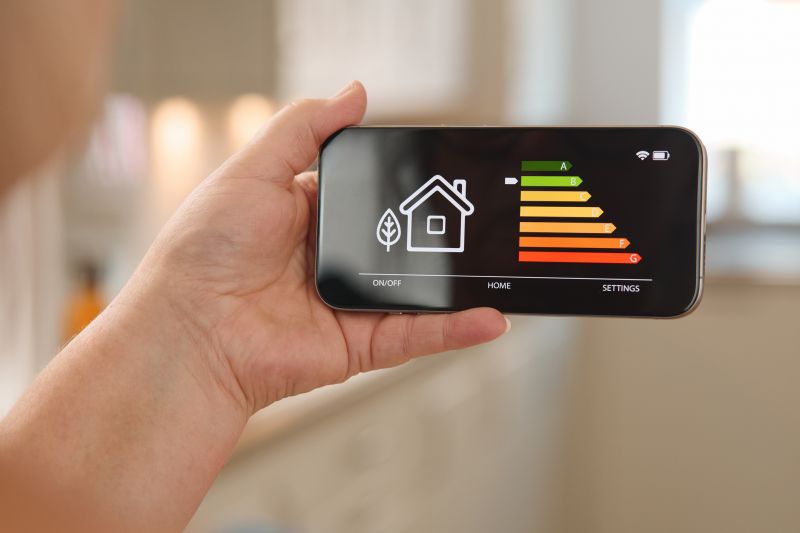
Align Wont Turn Ons with natural energy cycles for better results.

Ensure settings are conducive to receptivity for optimal impact.
Filling out the contact form can provide tailored guidance on optimal timing strategies for Wont Turn Ons. Proper timing enhances engagement effectiveness and can lead to more successful interactions in various settings.